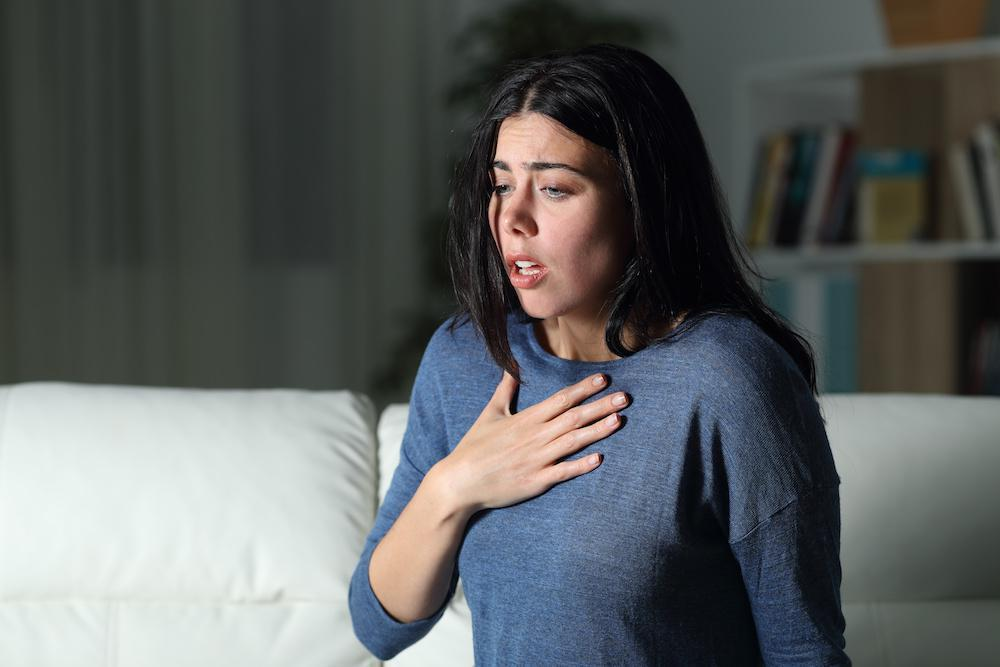
Feeling short of breath can be scary and uncomfortable. Many people describe it as not being able to take a full breath, or feeling like the air is not enough even when they are breathing. If this happens often, it can affect your daily life, sleep, work, and even your emotions.
The keyword “why am I always feeling short of breath” is a common question because many people experience this problem at some point. The good news is that there are many possible reasons for it—some are simple and temporary, while others may need medical attention.
In this article, we will explain the most common causes in an easy and human way, along with when you should worry, what you can do, and how to improve your breathing health.
What Does Shortness of Breath Really Mean?
Shortness of breath is also called dyspnea. It does not always mean something dangerous. Sometimes, it simply means your body is asking for more oxygen than usual, or your breathing system is under stress.
You may feel:
- Tightness in the chest
- Difficulty taking deep breaths
- Fast breathing
- Feeling tired while breathing
- A “blocked air” sensation
This feeling can come suddenly or slowly over time.
Common Reasons Why You Always Feel Short of Breath
There are many possible causes. Let’s look at the most common ones in simple language.
1. Anxiety and Stress
One of the biggest reasons people feel short of breath is anxiety. When you are stressed or worried, your body goes into “fight or flight” mode. This changes your breathing pattern.
You may:
- Breathe faster than normal
- Take shallow breaths
- Feel like you cannot get enough air
Even though your lungs are fine, your brain is tricking your body into thinking something is wrong.
This is very common in people who overthink, panic easily, or have ongoing stress.
2. Poor Physical Fitness
If you do not exercise regularly, your body may become less efficient at using oxygen. Even simple tasks like walking or climbing stairs can make you feel breathless.
This happens because:
- Your heart is not trained
- Your lungs are not used to heavy activity
- Your muscles demand more oxygen than usual
The good news is that this type of breathlessness improves with regular activity.
3. Asthma
Asthma is a condition where your airways become narrow and inflamed. This makes breathing difficult.
Common signs include:
- Wheezing sound while breathing
- Chest tightness
- Coughing, especially at night
- Shortness of breath during exercise or cold weather
Asthma can be mild or severe, and it usually needs medical treatment.
4. Allergies
Allergies can also cause breathing problems. Dust, pollen, smoke, or pet hair can trigger your immune system.
When this happens:
- Your nose may get blocked
- Airways may swell
- Breathing becomes harder
Many people do not realize that allergies can cause constant mild breathlessness.
5. Being Overweight
Extra body weight puts pressure on your lungs and diaphragm. This makes it harder to breathe deeply.
You may notice:
- Getting tired quickly
- Breathlessness while lying down
- Difficulty during physical activity
Even small weight loss can make a big difference in breathing comfort.
6. Poor Air Quality
Living or working in polluted areas can also affect your breathing. Smoke, dust, and chemicals irritate the lungs.
Over time, this can cause:
- Constant mild breathlessness
- Coughing
- Chest discomfort
This is especially common in cities with heavy traffic and pollution.
7. Heart Problems
Sometimes, shortness of breath is linked to the heart. If the heart is not pumping blood properly, your body does not get enough oxygen.
Possible signs include:
- Breathlessness during rest or activity
- Swelling in legs or feet
- Fatigue
- Chest discomfort
Heart-related breathlessness should always be checked by a doctor.
8. Lung Conditions
Certain lung diseases like bronchitis, pneumonia, or chronic obstructive pulmonary disease (COPD) can also cause ongoing breathlessness.
These conditions usually come with:
- Persistent cough
- Mucus or phlegm
- Wheezing
- Long-term breathing difficulty
9. Anemia (Low Iron)
Anemia means your body does not have enough healthy red blood cells. These cells carry oxygen.
When oxygen is low, you may feel:
- Tired
- Weak
- Dizzy
- Short of breath even with small effort
This is very common, especially in people with poor diet or iron deficiency.
10. Lack of Sleep or Fatigue
Not sleeping well can also affect your breathing. When your body is exhausted, everything feels harder—including breathing.
You may feel:
- Heavy breathing
- Low energy
- Anxiety-like symptoms
When Should You Be Worried?
Shortness of breath is not always dangerous, but you should seek medical help if you notice:
- Severe or sudden breathlessness
- Chest pain or pressure
- Blue lips or fingers
- Fainting or dizziness
- Breathlessness while resting
- Symptoms getting worse over time
These could be signs of a serious condition.
Simple Ways to Improve Breathing
Here are some easy tips that may help you breathe better:
1. Practice Deep Breathing
Slow breathing exercises help calm your body and improve oxygen flow.
2. Stay Active
Walking, light exercise, or stretching improves lung strength.
3. Avoid Smoke and Pollution
Stay away from smoking and dusty environments when possible.
4. Maintain Healthy Weight
A balanced diet helps reduce pressure on your lungs.
5. Stay Hydrated
Water helps your body function better, including your breathing system.
6. Manage Stress
Meditation, rest, and relaxation can reduce anxiety-related breathlessness.
How Doctors Diagnose Shortness of Breath
If your symptoms continue, a doctor may do:
- Physical examination
- Blood tests
- Chest X-ray
- Lung function tests
- Heart checkups
This helps find the real cause and proper treatment.
Final Thoughts
If you are always feeling short of breath, it does not always mean something dangerous, but it is a sign that your body is trying to tell you something. It could be stress, lifestyle habits, allergies, or a medical condition.
The important thing is to observe your symptoms carefully and take action early. Simple lifestyle changes can improve breathing in many cases, but persistent or severe symptoms should always be checked by a healthcare professional.
Your breathing is one of the most important functions of your body, so taking care of it means taking care of your overall health.
FAQs
1. Why do I feel short of breath even when I am resting?
This can happen due to anxiety, heart issues, or lung conditions. If it happens often, it should be checked by a doctor.
2. Can stress really make me feel like I cannot breathe?
Yes. Stress and anxiety can change your breathing pattern and make you feel like you are not getting enough air.
3. Is shortness of breath always serious?
No. Sometimes it is caused by simple things like poor fitness, allergies, or fatigue. But ongoing symptoms should not be ignored.
4. How can I quickly stop feeling breathless?
Try slow deep breathing, sit down, relax your shoulders, and breathe through your nose. If it does not improve, seek medical help.
5. When should I see a doctor for shortness of breath?
You should see a doctor if it is sudden, severe, happens at rest, or comes with chest pain, dizziness, or swelling in the body.