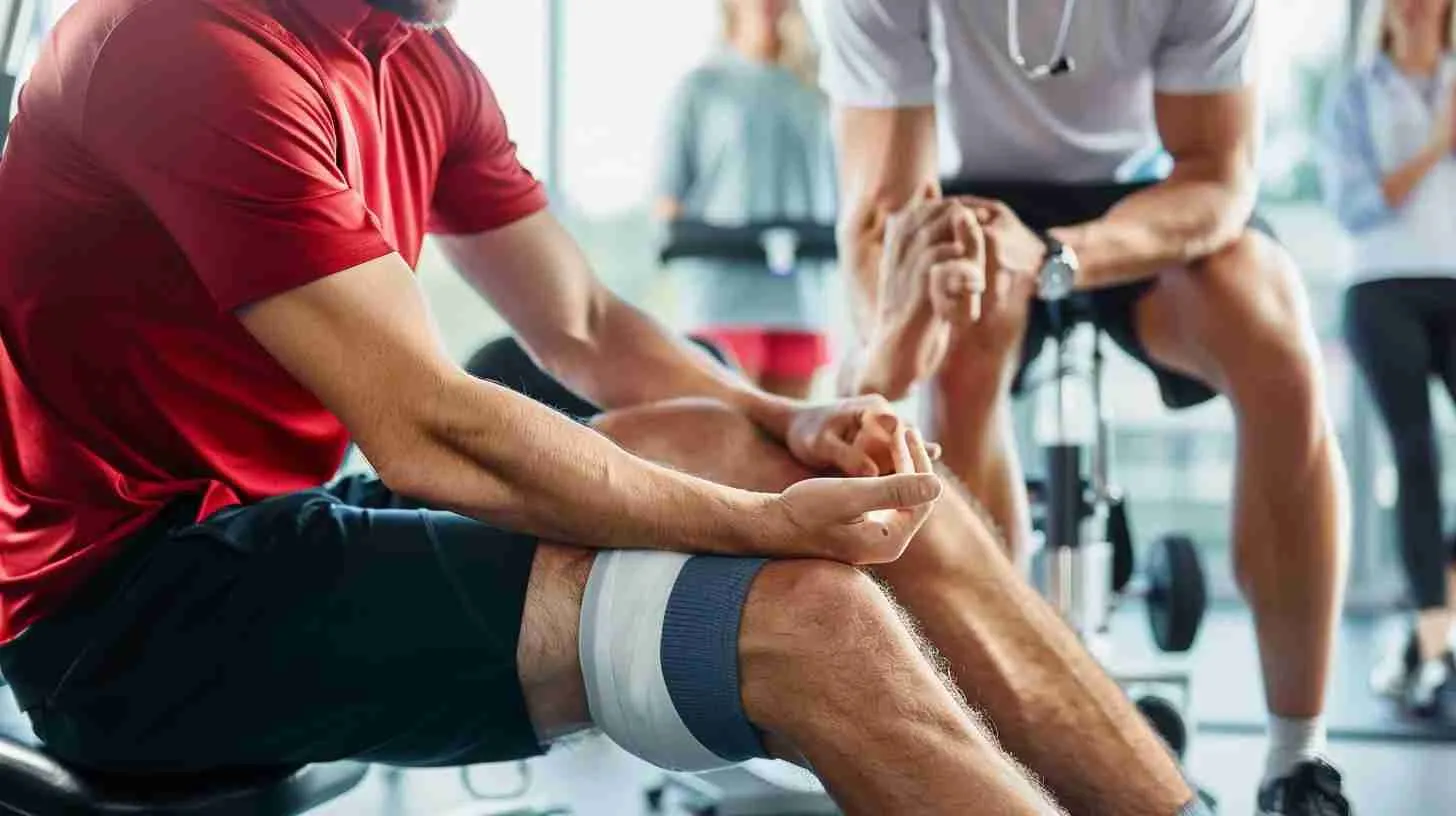
Recovering from an injury is never just about healing the damaged tissue. One of the biggest challenges people face afterward is getting their body moving normally again. Stiff joints, weak muscles, pain, and fear of re-injury can all make movement feel difficult. That’s why understanding how to improve mobility after injury is so important.
Mobility means how freely and comfortably your joints and muscles move through their full range of motion. When you get injured, your body naturally tries to protect the area by tightening muscles and limiting movement. While this is helpful in the short term, it can lead to stiffness and weakness if it continues for too long.
In this article, we will explore simple, practical, and effective ways to restore movement after injury. Everything is explained in easy language so anyone can follow along.
Understanding Mobility After Injury
Before learning how to improve mobility after injury, it helps to understand what actually happens in your body.
When you get hurt—whether it’s a sprain, fracture, muscle tear, or surgery—your body reacts with inflammation. This causes swelling and pain. To protect you, the surrounding muscles tighten up, and you naturally avoid moving that part.
Over time, this lack of movement can lead to:
- Stiff joints
- Weak muscles
- Reduced flexibility
- Poor balance
- Slower recovery
That is why safe and gradual movement is very important.
1. Start Slowly and Respect Your Pain
One of the most important rules in learning how to improve mobility after injury is this: never rush recovery.
Pain is your body’s signal that something needs attention. However, mild discomfort during recovery exercises can be normal, especially when you are regaining movement.
The key is to:
- Start with very gentle movements
- Avoid pushing into sharp pain
- Increase activity step by step
- Listen to your body every day
Think of recovery like climbing stairs, not jumping to the top.
2. Gentle Range of Motion Exercises
Range of motion (ROM) exercises are one of the safest and most effective ways to restore movement.
These exercises help your joints move again without heavy pressure or strain.
Examples include:
- Slowly bending and straightening your knee
- Rotating your shoulder in small circles
- Moving your ankle up and down
- Gently turning your neck left and right
Do these movements slowly, without force. Even 5–10 minutes a day can make a big difference over time.
ROM exercises are often the first step in learning how to improve mobility after injury safely.
3. Stretching to Reduce Stiffness
After injury, muscles often become tight. Stretching helps relax them and improves flexibility.
But remember: stretching after injury should be gentle, not aggressive.
Good stretching habits include:
- Holding each stretch for 15–30 seconds
- Breathing deeply while stretching
- Avoiding bouncing movements
- Stretching only to a comfortable level
For example, if your hamstring is tight, you can gently stretch it while lying down with a towel. If your shoulder is stiff, you can use a wall to support light stretching.
Regular stretching helps restore natural movement and reduces long-term stiffness.
4. Strengthening Weak Muscles
Injuries often cause muscle weakness because the area is not used normally. Strengthening exercises are essential for full recovery.
Start with bodyweight or very light resistance exercises.
Examples:
- Sitting and standing from a chair
- Light leg lifts
- Wall push-ups
- Resistance band exercises
Strong muscles support your joints and help prevent future injuries.
But don’t rush into heavy workouts. Build strength slowly and steadily.
5. Use Heat and Cold Therapy Wisely
Therapy using heat or cold can support mobility recovery.
- Cold therapy helps reduce swelling and pain, especially in the early stages.
- Heat therapy helps relax muscles and improve blood flow in later stages.
For example:
- Ice can be used after exercise if swelling appears
- Heat can be used before stretching to loosen tight muscles
Using both correctly can make movement easier and more comfortable.
6. Massage and Self-Myofascial Release
Massage is another helpful method in learning how to improve mobility after injury.
It helps:
- Improve blood circulation
- Reduce muscle tightness
- Break up stiffness in soft tissues
You don’t always need a professional massage. You can use:
- Foam rollers
- Massage balls
- Gentle self-massage with your hands
Focus on areas around the injury (not directly on fresh injuries unless advised by a doctor).
7. Stay Consistent Every Day
Consistency is more important than intensity.
Doing a little bit every day is far better than doing too much once a week.
Even simple routines like:
- 10 minutes of stretching
- 5 minutes of joint movement
- Light walking
can speed up recovery significantly.
Your body responds best to regular, gentle movement.
8. Walking and Low-Impact Activity
Walking is one of the easiest and most natural ways to improve mobility after injury.
It helps:
- Increase blood flow
- Strengthen muscles
- Improve joint flexibility
- Boost confidence in movement
Other low-impact activities include:
- Swimming
- Cycling on a stationary bike
- Light yoga
These activities keep your body active without putting too much stress on injured areas.
9. Work with a Physiotherapist (If Possible)
A physiotherapist can guide you through safe recovery steps based on your injury type.
They can:
- Create a personalized exercise plan
- Correct movement mistakes
- Track your progress
- Prevent long-term complications
If your injury is serious or recovery feels slow, professional help is very important.
10. Mental Confidence Matters Too
Recovery is not only physical—it is mental too.
Many people fear moving again after injury. This fear can slow recovery.
To improve mobility, you must also:
- Trust your body gradually
- Celebrate small improvements
- Stay patient with progress
- Avoid comparing yourself with others
Confidence in movement is just as important as strength.
Final Thoughts
Learning how to improve mobility after injury takes time, patience, and consistency. There is no shortcut, but there is a safe path that works for everyone.
Start with gentle movement, add stretching, build strength slowly, and stay consistent. Combine physical care with a positive mindset, and your body will gradually regain its natural movement.
Recovery is not about speed—it is about steady progress.
FAQs: How to Improve Mobility After Injury
1. How long does it take to regain mobility after an injury?
It depends on the severity of the injury. Minor injuries may improve in a few weeks, while serious injuries can take months. Consistency is the key factor.
2. Can I exercise immediately after an injury?
Not always. In the first phase, rest is important. After that, gentle movement is usually recommended. Always follow medical advice.
3. Is pain normal during mobility exercises?
Mild discomfort can be normal, but sharp or severe pain is a warning sign. You should stop if pain increases.
4. What is the best exercise for mobility recovery?
There is no single best exercise. Range of motion exercises, stretching, and walking are commonly used together for best results.
5. Do I need a physiotherapist to recover mobility?
Not always, but it is highly recommended for moderate to severe injuries. A physiotherapist ensures safe and effective recovery.