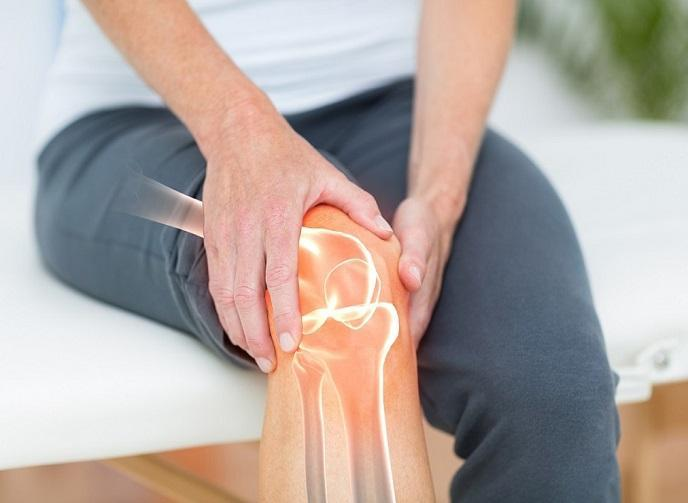
Arthritis is one of the most common conditions that affects people of all ages, especially older adults. It causes pain, stiffness, and swelling in the joints, making everyday tasks difficult. Things like walking, climbing stairs, opening jars, or even getting out of bed can become uncomfortable.
The good news is that arthritis pain can be managed. While there is no permanent cure for most types of arthritis, there are many ways to reduce pain and improve movement. In this article, we will explore arthritis pain management options in a simple and human way so you can better understand how to take care of your joints and improve your daily life.
Understanding Arthritis Pain
Before talking about treatment, it is important to understand what is happening inside the body.
Arthritis is not just “normal aging pain.” It is a condition where the joints become inflamed. The two most common types are:
- Osteoarthritis – caused by wear and tear of joints over time
- Rheumatoid arthritis – an autoimmune condition where the body attacks its own joints
When joints are inflamed, they become stiff, swollen, and painful. Over time, movement becomes harder. That is why pain management is so important—it helps people stay active and maintain independence.
1. Medications for Pain Relief
One of the most common arthritis pain management options is medication. Doctors may suggest different types depending on the severity of pain.
Pain relievers
Simple painkillers like acetaminophen can help reduce mild pain. They do not treat inflammation but can make daily life easier.
Anti-inflammatory drugs
Nonsteroidal anti-inflammatory drugs (NSAIDs) reduce both pain and swelling. These are commonly used for arthritis flare-ups.
Prescription medications
In more serious cases, doctors may prescribe stronger medicines to control inflammation, especially for rheumatoid arthritis.
However, medications should always be used carefully and under medical supervision. Long-term use without guidance may cause side effects.
2. Physical Activity and Exercise
It may sound strange, but movement is one of the best ways to reduce arthritis pain. When people feel pain, they often avoid movement, but this can make joints even stiffer.
Regular exercise helps in many ways:
- Improves flexibility
- Strengthens muscles around joints
- Reduces stiffness
- Boosts energy levels
Some helpful low-impact exercises include:
- Walking
- Swimming
- Cycling
- Gentle stretching
- Yoga
Swimming is especially good because water supports the body and reduces pressure on joints. Even 20–30 minutes of daily movement can make a big difference over time.
3. Hot and Cold Therapy
Simple home treatments can also provide relief.
Heat therapy
Heat helps relax muscles and increase blood flow. It is useful for stiff joints in the morning. You can use:
- Warm towels
- Heating pads
- Warm baths
Cold therapy
Cold reduces swelling and numbs sharp pain. It is helpful during flare-ups. You can use:
- Ice packs wrapped in cloth
- Cold gel packs
Many people find that switching between heat and cold gives the best results.
4. Healthy Diet for Joint Health
Food plays a bigger role in arthritis than most people realize. A healthy diet can reduce inflammation in the body.
Foods that may help include:
- Fatty fish like salmon and sardines (rich in omega-3)
- Fruits such as berries and oranges
- Vegetables like spinach, broccoli, and kale
- Nuts and seeds
- Olive oil
On the other hand, it is better to limit:
- Processed foods
- Sugary drinks
- Excess fried foods
A balanced diet not only supports joint health but also helps maintain a healthy weight. Extra body weight puts more pressure on joints, especially knees and hips.
5. Physical Therapy
Physical therapy is another powerful option for arthritis pain management.
A trained therapist teaches exercises that:
- Improve joint movement
- Strengthen muscles
- Reduce stiffness
- Improve balance
They may also use techniques like massage or guided stretching. The goal is to help people move safely and reduce long-term pain without depending too much on medication.
6. Lifestyle Changes
Small lifestyle changes can make daily life easier for people with arthritis.
Some helpful changes include:
- Using supportive shoes to reduce pressure on joints
- Avoiding repetitive heavy lifting
- Taking breaks during long activities
- Using tools like jar openers or walking sticks
- Maintaining good posture while sitting and standing
Even simple adjustments at home or work can reduce strain on painful joints.
7. Alternative and Natural Remedies
Some people also explore natural ways to manage arthritis pain. While results may vary, these methods can help some individuals feel better.
Examples include:
- Massage therapy to relax muscles
- Acupuncture for pain relief
- Herbal supplements (only under medical advice)
- Mind-body practices like meditation
Stress can make pain feel worse, so relaxation techniques may also help improve overall comfort.
8. Weight Management
Carrying extra weight puts pressure on joints, especially in the knees, hips, and lower back. Losing even a small amount of weight can significantly reduce pain.
Healthy weight management includes:
- Eating balanced meals
- Staying active
- Avoiding crash diets
This is not about quick results, but about long-term joint protection.
9. Joint Protection Techniques
People with arthritis can protect their joints by changing how they do daily tasks.
For example:
- Use both hands instead of one when lifting objects
- Avoid gripping too tightly
- Break tasks into smaller steps
- Use assistive devices when needed
These small habits reduce stress on joints and prevent pain from getting worse.
Conclusion
Arthritis pain can be challenging, but it does not have to control your life. There are many arthritis pain management options available, from medications and exercise to diet changes and physical therapy. The best results often come from combining several approaches rather than relying on just one.
The key is consistency. Small daily efforts—like moving your body, eating healthy foods, and protecting your joints—can lead to long-term improvement. With the right care, people with arthritis can stay active, independent, and live a comfortable life.
Frequently Asked Questions (FAQs)
1. Can arthritis pain be completely cured?
No, most types of arthritis cannot be fully cured. However, symptoms can be managed effectively with treatment, lifestyle changes, and regular care.
2. What is the fastest way to reduce arthritis pain?
Quick relief methods include pain medications, hot or cold therapy, and rest. However, long-term improvement requires exercise and healthy habits.
3. Is walking good for arthritis?
Yes, walking is one of the best low-impact exercises. It keeps joints flexible and strengthens muscles without putting too much stress on the body.
4. Does weather affect arthritis pain?
Many people feel more pain during cold or rainy weather. While the exact reason is not fully understood, temperature changes can affect joint stiffness.
5. When should I see a doctor for arthritis pain?
You should see a doctor if pain becomes constant, affects daily activities, or worsens over time. Early treatment helps prevent joint damage.