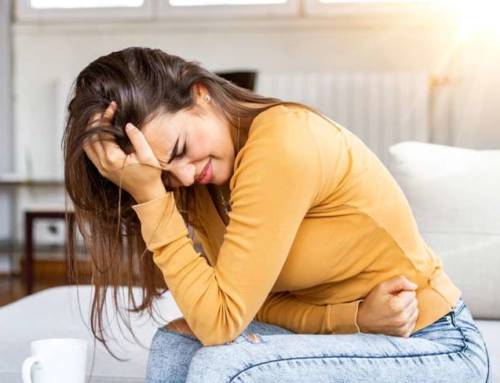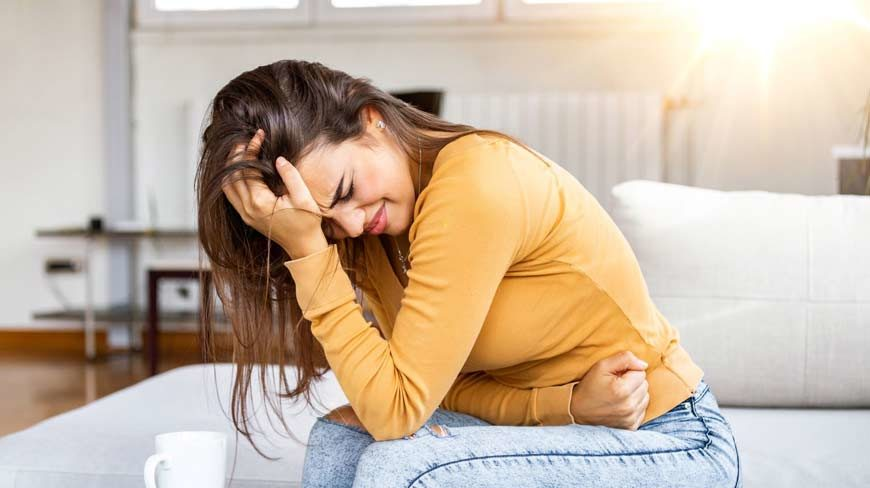
Feeling bloated after eating is something almost everyone experiences at some point. It can make your stomach feel tight, swollen, or full of gas. Sometimes it even feels like you ate more than you actually did. While bloating is usually not dangerous, it can be uncomfortable and frustrating, especially when it happens often.
The good news is that bloating after eating can usually be reduced or even prevented with a few simple changes in your eating habits and lifestyle. In this article, we will explain what causes bloating and share easy, natural ways to feel better after meals.
What Is Bloating?
Bloating is when your stomach feels full, tight, or swollen after eating. It often happens because of gas buildup in your digestive system or slow digestion. Some people also notice their stomach looks bigger when they are bloated.
Common signs of bloating include:
- A swollen or stretched stomach
- Feeling too full after eating small meals
- Gas or burping
- Mild stomach pain or discomfort
Bloating is not a disease, but it is a symptom of digestion issues or eating habits.
Why Do We Feel Bloated After Eating?
There are many reasons why bloating happens after meals. Understanding the cause can help you prevent it in the future.
1. Eating Too Fast
When you eat quickly, you swallow more air along with your food. This air gets trapped in your stomach and causes bloating.
2. Overeating
Eating large portions puts pressure on your stomach and makes digestion harder, leading to bloating.
3. Gas-Producing Foods
Some foods naturally produce more gas during digestion, such as beans, lentils, cabbage, onions, and carbonated drinks.
4. Food Intolerance
Some people have difficulty digesting certain foods like dairy (lactose intolerance) or gluten, which can cause bloating.
5. Poor Digestion
Slow digestion or weak gut health can lead to food staying in the stomach longer, producing gas and discomfort.
6. Drinking Too Much Carbonated Drinks
Soda and fizzy drinks release gas in your stomach, which leads to bloating.
How to Reduce Bloating After Eating
Now let’s talk about simple and natural ways to reduce bloating quickly and prevent it in the future.
1. Eat Slowly and Chew Properly
One of the easiest ways to reduce bloating is to slow down while eating. When you chew your food properly, your stomach doesn’t have to work as hard to digest it.
Try this:
- Take small bites
- Chew each bite 20–30 times
- Put your fork down between bites
Eating slowly also helps you feel full faster, so you avoid overeating.
2. Avoid Overeating
Eating large meals stretches your stomach and slows digestion. Instead of eating big portions, try eating smaller meals more often during the day.
A good habit is:
- Eat until you are 80% full
- Stop before you feel stuffed
This helps your digestive system work smoothly and reduces gas buildup.
3. Drink Warm Water or Herbal Tea
Warm drinks help your digestive system relax and move food more easily.
Best options include:
- Warm water
- Ginger tea
- Peppermint tea
- Chamomile tea
These drinks help reduce gas and calm the stomach naturally.
4. Go for a Light Walk After Eating
One of the best natural remedies for bloating is walking after meals. Even a 10–15 minute slow walk can make a big difference.
Walking helps:
- Move gas through the digestive system
- Improve digestion
- Prevent heaviness in the stomach
Avoid lying down immediately after eating because it slows digestion.
5. Avoid Carbonated Drinks
Soda, sparkling water, and energy drinks contain gas. When you drink them, you are literally adding air to your stomach.
Instead, choose:
- Plain water
- Coconut water
- Herbal teas
This simple change can greatly reduce bloating.
6. Watch Your Food Choices
Some foods are more likely to cause bloating. You don’t need to completely avoid them, but you should eat them in moderation.
Common bloating foods include:
- Beans and lentils
- Cabbage, broccoli, cauliflower
- Fried and fatty foods
- Dairy products (for some people)
Try keeping a food diary to see which foods affect you the most.
7. Improve Gut Health
A healthy gut helps reduce bloating naturally. You can improve your gut health by eating:
- Yogurt with probiotics
- Fermented foods like kefir or pickles
- Fiber-rich fruits and vegetables
Good bacteria in your stomach help digest food properly and reduce gas formation.
8. Try Deep Breathing or Relaxation
Stress can slow down digestion and increase bloating. When you are stressed, your body does not digest food properly.
Try this simple method:
- Sit comfortably
- Take slow, deep breaths
- Inhale for 4 seconds, hold for 4 seconds, exhale for 6 seconds
This relaxes your stomach muscles and improves digestion.
9. Avoid Talking While Eating
Talking while eating can make you swallow air, which leads to gas and bloating. Try to focus on your meal and eat calmly.
10. Use Natural Digestive Spices
Some spices help your stomach digest food better and reduce gas naturally.
Good options include:
- Ginger
- Fennel seeds
- Cumin
- Turmeric
You can add them to your meals or drink them in warm water.
11. Check for Food Intolerances
If you often feel bloated after eating certain foods, you may have a food intolerance.
Common intolerances include:
- Lactose (milk and dairy products)
- Gluten (wheat products)
If you suspect this, try removing the food for a few days and see if symptoms improve.
12. Stay Active in General
Regular exercise improves digestion and reduces bloating in the long run. You don’t need intense workouts—simple activities like walking, yoga, or stretching can help a lot.
Final Thoughts
Bloating after eating is very common, but it doesn’t have to control your daily life. Most of the time, it is caused by simple habits like eating too fast, overeating, or poor food choices.
By making small changes—like chewing slowly, walking after meals, drinking warm water, and avoiding carbonated drinks—you can significantly reduce bloating and feel lighter after eating.
The key is consistency. Your digestive system improves when you treat it well every day.
FAQs About Reducing Bloating After Eating
1. Why do I feel bloated even after eating small meals?
Even small meals can cause bloating if you eat too fast, swallow air, or consume gas-producing foods. It may also be due to food intolerance or weak digestion.
2. How quickly can bloating go away after eating?
Mild bloating can reduce within 30 minutes to a few hours, especially if you walk or drink warm water. Severe bloating may take longer depending on digestion.
3. Is bloating a sign of a serious problem?
Most of the time, bloating is harmless. However, if it happens very often or comes with pain, weight loss, or other symptoms, you should consult a doctor.
4. What drink helps reduce bloating fast?
Warm water, ginger tea, and peppermint tea are very effective in reducing bloating quickly because they relax the digestive system.
5. Can stress cause bloating after eating?
Yes, stress can slow down digestion and increase gas in the stomach, leading to bloating. Relaxation techniques can help improve digestion.