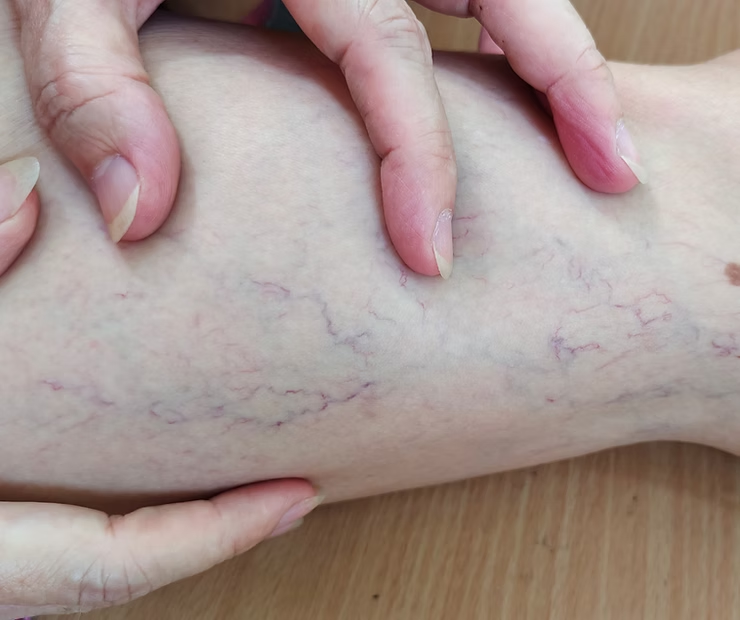
Varicose veins are enlarged, twisted veins that often appear on the legs, and they form when vein valves weaken. Blood then pools in the vein. While some people notice only the look of these veins, others develop swelling, aching, or skin changes as the problem progresses. This is why early intervention matters for treating these veins:
Preventing Complications
Early treatment helps limit the strain on affected veins, and it may reduce the chance of later skin damage. Varicose veins typically worsen over time. When pressure builds in leg veins, the surrounding tissue may become irritated and inflamed.
Some people develop more than visible veins, and the signs may spread beyond mild swelling. Typical problems include:
- Skin discoloration
- Itchiness near the vein
- Heaviness in the legs
- Ankle swelling
If vein disease continues without treatment, skin ulcers or bleeding may occur in some cases. These problems take time to manage, and they affect daily movement. A clinician may spot early warning signs before severe damage appears.
Relieving Discomfort
Varicose veins cause daily symptoms, and many people notice them after long periods of standing. Since pressure rises in the legs throughout the day, discomfort may become more noticeable by evening. Some people report burning, throbbing, or cramps, and these symptoms may interrupt sleep or exercise. If another vein problem is present, a medical exam may rule it out.
Compression stockings, walking, and leg elevation may help manage symptoms, but they do not fix every damaged vein. Symptom relief varies. When a provider treats the underlying vein issue early, ongoing irritation may be reduced.
Allowing Minimally Invasive Procedures
Early intervention typically opens the door to simpler treatment options, and these procedures usually involve less disruption. Many vein specialists use office-based methods. Since the vein changes are less advanced early on, treatment planning may be more direct.
Typical minimally invasive options include:
- Sclerotherapy
- Laser treatments
- Radiofrequency ablation
These methods target faulty veins, and blood flow shifts to healthier veins nearby. Recovery is often shorter. When large vein clusters or skin changes develop, a provider may need a more complex treatment plan.
Improving Circulation
Veins move blood back to the heart, and healthy valves help keep that blood from falling backward. Varicose veins disrupt this flow. When blood collects in weakened veins, circulation in the legs becomes less efficient.
Poor vein function may lead to swelling after activity, and some people notice tightness around the calves or ankles. Movement typically helps. Since untreated vein disease may progress slowly, people sometimes ignore signs that point to worsening circulation.
A vein evaluation may include an ultrasound, and that test shows how blood moves through the leg veins. The scan is painless. If reflux appears in the affected veins, early treatment may improve how blood is redirected through healthier pathways.
Get Treated for Varicose Veins
If you notice bulging veins, swelling, or leg pain, schedule an evaluation with a qualified vein specialist. Early action gives you more information, and it may help guide treatment before symptoms advance. Talk with a medical provider about your symptoms, your vein history, and the options available for varicose vein care.