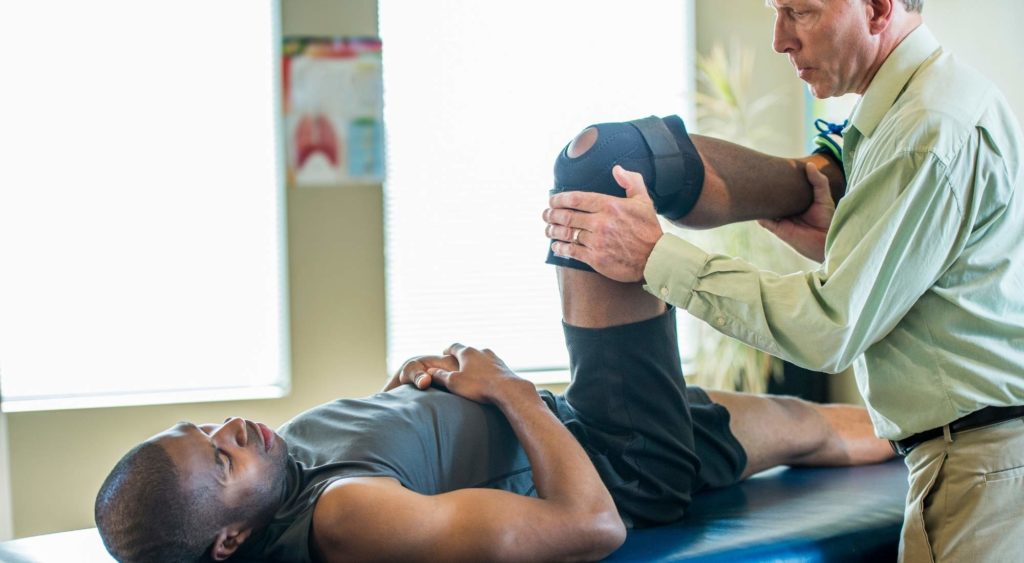
After surgery, most people expect that the hardest part is already over once the operation is finished. But in reality, surgery is often just the beginning of the recovery journey. One of the most important parts of healing is physiotherapy after surgery, also called post-operative rehabilitation. Many patients wonder: “Why do I need physiotherapy after surgery if the operation already fixed the problem?”
The answer is simple but very important—surgery repairs the body, but physiotherapy helps it function again properly.
In this article, we will explain in easy and clear language why physiotherapy is needed after surgery, how it helps recovery, and what benefits it brings to your health and daily life.
What is Physiotherapy After Surgery?
Physiotherapy after surgery is a type of guided treatment that helps you regain movement, strength, and normal body function after an operation. It is usually done by a trained physiotherapist who designs exercises and recovery plans based on your condition and type of surgery.
This treatment may include:
- Gentle exercises
- Stretching routines
- Breathing exercises
- Pain management techniques
- Walking and mobility training
- Muscle strengthening activities
The goal is to help your body heal correctly and safely.
Why Do I Need Physiotherapy After Surgery?
Many people think rest alone is enough after surgery. While rest is important, too much rest can actually slow down recovery and cause other problems. Physiotherapy plays a key role in making sure your body heals in the right way.
Here are the main reasons why physiotherapy is needed:
1. To Restore Movement and Flexibility
After surgery, especially on joints, bones, or muscles, your body often becomes stiff. You may find it difficult to move normally.
Physiotherapy helps:
- Reduce stiffness
- Improve joint movement
- Restore normal flexibility
Without physiotherapy, the affected area may become permanently stiff, making daily activities difficult.
2. To Reduce Pain Naturally
Pain after surgery is normal, but it should gradually reduce over time. Physiotherapy helps manage pain without relying too much on medication.
It works by:
- Improving blood flow
- Reducing swelling
- Relaxing tight muscles
- Encouraging natural healing
Many patients notice that with regular physiotherapy, their pain becomes more manageable day by day.
3. To Strengthen Weak Muscles
After surgery, muscles around the operated area often become weak because they are not used for some time.
Physiotherapy helps rebuild strength by:
- Targeted exercises
- Gradual resistance training
- Safe movement techniques
Stronger muscles support the healing area and prevent future injuries.
4. To Speed Up Recovery
One of the biggest benefits of physiotherapy is faster recovery. When you follow a proper physiotherapy plan, your body heals in a more organized and efficient way.
It helps you:
- Return to normal life sooner
- Walk or move independently faster
- Resume work and daily activities earlier
Without physiotherapy, recovery may take much longer than expected.
5. To Prevent Complications
After surgery, staying inactive for too long can lead to serious complications such as:
- Blood clots
- Muscle shrinkage
- Joint stiffness
- Lung problems (especially after chest or abdominal surgery)
Physiotherapy reduces these risks by keeping your body active in a safe way.
6. To Improve Blood Circulation
Good blood flow is very important for healing. Physiotherapy exercises help improve circulation, which brings oxygen and nutrients to the healing tissues.
Better circulation means:
- Faster wound healing
- Less swelling
- Reduced risk of infection
Even simple movements can make a big difference.
7. To Help You Walk and Move Safely Again
After major surgeries like knee, hip, or spine operations, walking can feel difficult or even scary. Physiotherapists guide you step by step.
They teach:
- How to walk correctly
- How to use support tools like walkers or crutches
- How to climb stairs safely
This helps you regain confidence in your movements.
8. To Improve Breathing After Surgery
If you had chest, heart, or abdominal surgery, breathing may feel uncomfortable. Physiotherapy includes breathing exercises that help:
- Expand lung capacity
- Prevent lung infections
- Improve oxygen flow
This is especially important for faster overall recovery.
9. To Avoid Long-Term Problems
Without proper rehabilitation, some patients develop long-term issues such as:
- Chronic pain
- Poor posture
- Reduced mobility
- Weak muscles
Physiotherapy ensures that your body heals correctly so you don’t face problems in the future.
10. To Help You Return to Normal Life
The ultimate goal of physiotherapy is to help you return to your normal routine. Whether it is walking, working, driving, or exercising, physiotherapy prepares your body for everyday life again.
It focuses on:
- Functional movement (real-life activities)
- Balance and coordination
- Strength and endurance
What Happens If You Skip Physiotherapy?
Skipping physiotherapy after surgery can slow down healing and may cause complications. Some common risks include:
- Long-lasting stiffness
- Weak muscles
- Difficulty moving normally
- Higher chance of re-injury
- Longer recovery time
Even if you feel fine, internal healing still needs proper guidance.
How Long Do You Need Physiotherapy?
The duration depends on:
- Type of surgery
- Your age
- Your overall health
- How your body responds to treatment
Some people need a few weeks, while others may need several months. Your physiotherapist will guide you based on your progress.
Final Thoughts
Physiotherapy after surgery is not optional—it is an essential part of recovery. While surgery fixes the internal problem, physiotherapy helps your body learn how to function again.
It reduces pain, restores movement, strengthens muscles, and prevents complications. Most importantly, it helps you return to your normal life safely and confidently.
If you have recently had surgery or are planning one, remember that following a proper physiotherapy plan can make a huge difference in your recovery journey.
FAQs
1. Is physiotherapy always necessary after surgery?
In most cases, yes. Especially after bone, joint, muscle, or major surgeries, physiotherapy is very important for proper recovery.
2. Does physiotherapy hurt after surgery?
Some exercises may feel slightly uncomfortable at first, but they should not cause severe pain. A physiotherapist always adjusts treatment according to your comfort.
3. How soon should I start physiotherapy after surgery?
It depends on the surgery type. Some patients start within 24–48 hours, while others may wait a few days. Your doctor will decide the right time.
4. Can I do physiotherapy at home?
Yes, many exercises can be done at home, but they should be learned first under professional supervision to avoid injury.
5. What happens if I don’t do physiotherapy?
Without physiotherapy, you may experience stiffness, weaknes