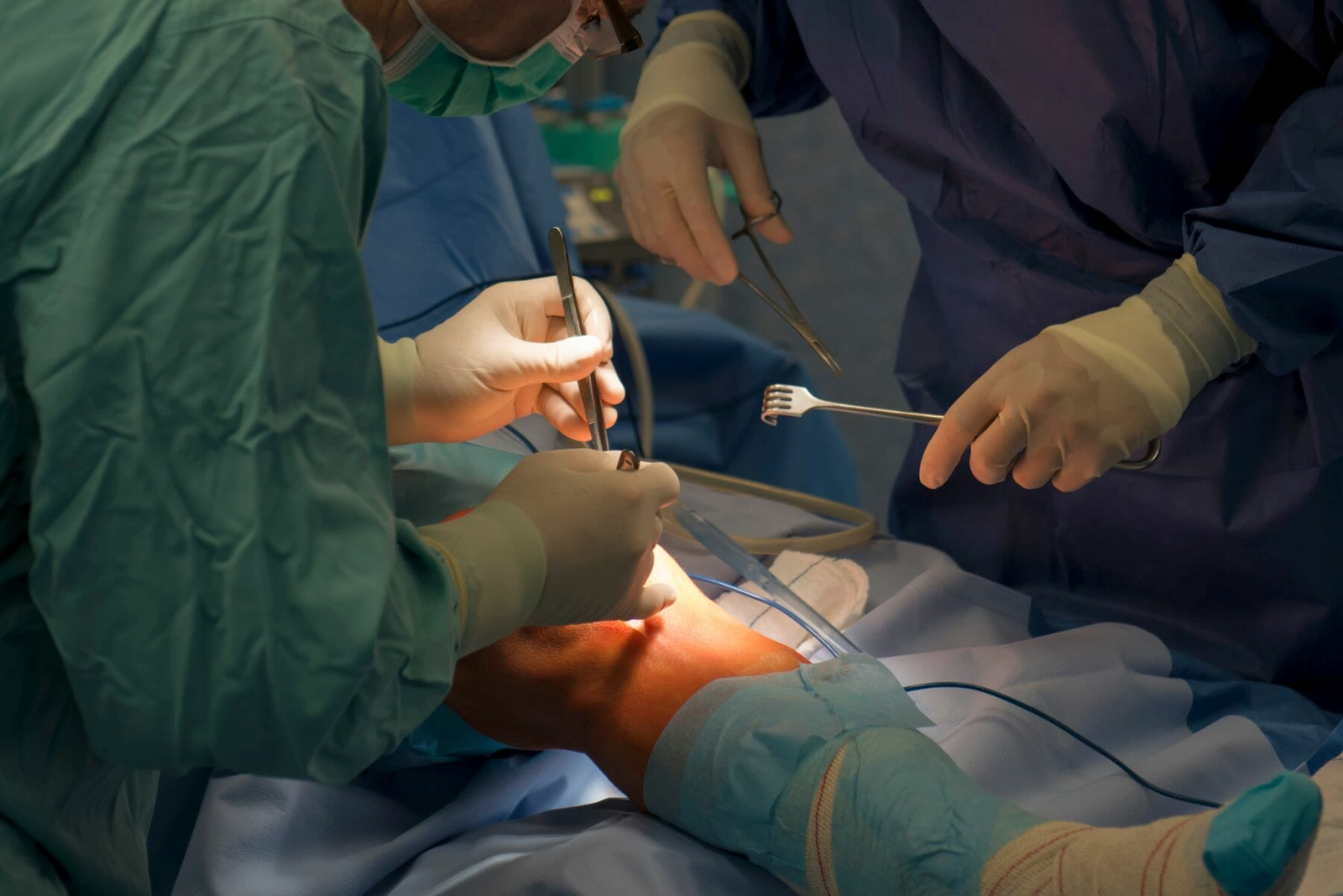
Knee pain is one of the most common health problems in adults, especially in older age. When medicines, exercise, and other treatments no longer help, doctors may suggest knee replacement surgery. Many people feel nervous when they hear this option and often ask the same important question: Is knee replacement surgery safe?
The short answer is yes—knee replacement surgery is generally considered safe and effective. But like any major surgery, it does have risks and requires proper care before and after the operation. In this article, we will explain everything in simple words so you can clearly understand how safe this surgery is, who needs it, and what to expect.
What Is Knee Replacement Surgery?
Knee replacement surgery, also called knee arthroplasty, is a medical procedure where a damaged knee joint is replaced with an artificial joint made of metal, plastic, or both.
Doctors usually recommend this surgery when the knee joint is badly damaged due to:
- Osteoarthritis (wear and tear of the joint)
- Rheumatoid arthritis (joint inflammation disease)
- Injury or trauma
- Severe knee pain that limits daily activities
The goal of this surgery is to reduce pain, improve movement, and help patients return to normal life activities like walking, climbing stairs, and even light exercise.
Is Knee Replacement Surgery Safe?
Yes, knee replacement surgery is considered safe for most patients, especially when done by an experienced surgeon in a well-equipped hospital. Millions of people around the world undergo this surgery every year with successful results.
Medical technology has improved a lot in recent years. Today’s surgical techniques are more advanced, less painful, and have faster recovery times compared to the past.
However, “safe” does not mean “risk-free.” There are some possible complications, but they are rare and usually manageable.
Why Doctors Recommend This Surgery
Doctors do not suggest knee replacement lightly. They usually recommend it only when:
- Knee pain is severe and constant
- Medicines no longer help
- Walking or daily movement becomes difficult
- Knee stiffness affects quality of life
- X-rays show serious joint damage
When these conditions are present, knee replacement becomes a safe and helpful solution to restore mobility.
How Safe Is the Procedure Today?
Modern knee replacement surgery is very advanced. In fact, it is considered one of the most successful surgeries in the world.
Some important safety improvements include:
- Better surgical tools and techniques
- High-quality artificial joints that last 15–20 years or more
- Advanced anesthesia methods for painless surgery
- Improved infection control in hospitals
- Faster recovery programs (rehabilitation therapy)
Because of these improvements, the success rate is very high—often above 90–95% in many cases.
Possible Risks of Knee Replacement Surgery
Even though it is safe, there are still some risks, as with any surgery. These include:
1. Infection
There is a small risk of infection at the surgical site. Doctors usually give antibiotics to prevent this.
2. Blood Clots
Some patients may develop blood clots in the legs after surgery. This is prevented with medication and movement exercises.
3. Pain and Swelling
Mild pain and swelling are normal after surgery but reduce over time.
4. Implant Problems
In rare cases, the artificial joint may loosen or wear out after many years.
5. Stiffness
Some patients may experience stiffness if they do not follow physiotherapy properly.
It is important to remember that these risks are low and can be managed with proper medical care.
Who Is a Good Candidate for Knee Replacement?
Knee replacement surgery is usually safe for:
- People above 50 years (most common group)
- Patients with severe arthritis
- Individuals with chronic knee pain
- People who are otherwise healthy
However, very overweight patients, smokers, or people with serious health conditions may need extra care before surgery.
Doctors always do tests to make sure the patient is fit for the procedure.
What Happens During the Surgery?
The surgery usually takes 1 to 2 hours.
Here is a simple breakdown:
- The patient is given anesthesia (so they feel no pain)
- The damaged part of the knee is removed
- Artificial joint parts are placed
- The knee is tested for movement
- The incision is closed
After surgery, the patient is moved to a recovery room for monitoring.
Recovery After Knee Replacement
Recovery is an important part of the process. Most patients stay in the hospital for 2 to 4 days.
After that, recovery continues at home with physiotherapy.
Recovery timeline:
- First few days: Pain control and gentle movement
- 2–3 weeks: Walking with support (walker or cane)
- 4–6 weeks: Improved movement and strength
- 3 months: Normal daily activities
- 6–12 months: Full recovery
Following physiotherapy regularly is very important for a successful outcome.
Benefits of Knee Replacement Surgery
Even though people worry about safety, the benefits are often life-changing:
- Long-term pain relief
- Better mobility and flexibility
- Improved quality of life
- Ability to walk without discomfort
- Better sleep due to less pain
Most patients say they feel like they have a “new knee” after recovery.
How to Make Surgery Safer
You can increase the safety of knee replacement by:
- Choosing an experienced surgeon
- Following all medical advice
- Doing pre-surgery tests properly
- Keeping a healthy weight
- Stopping smoking before surgery
- Doing physiotherapy after surgery
Patient cooperation plays a big role in success and safety.
Final Thoughts
So, is knee replacement surgery safe? Yes, it is generally very safe and highly successful when done under proper medical care. Like all surgeries, it carries some risks, but modern techniques have made complications rare.
For people suffering from severe knee pain, this surgery can bring a huge improvement in life. It allows them to move freely, reduce pain, and return to normal activities.
If your doctor recommends it, you should discuss all concerns, understand the process, and prepare well. With the right care, knee replacement surgery can be a safe and life-changing solution.
FAQs About Knee Replacement Surgery
1. Is knee replacement surgery painful?
You do not feel pain during surgery because of anesthesia. After surgery, there may be mild pain, but it is controlled with medicines.
2. How long does a knee replacement last?
Most artificial knee joints last 15 to 20 years, sometimes even longer with proper care.
3. Can I walk normally after knee replacement?
Yes, after recovery and physiotherapy, most people can walk normally without pain.
4. What is the biggest risk of knee replacement surgery?
The biggest risks are infection and blood clots, but both are rare and preventable with proper care.
5. When can I return to daily activities?
Most people return to normal daily activities within 6 to 12 weeks, depending on recovery speed.