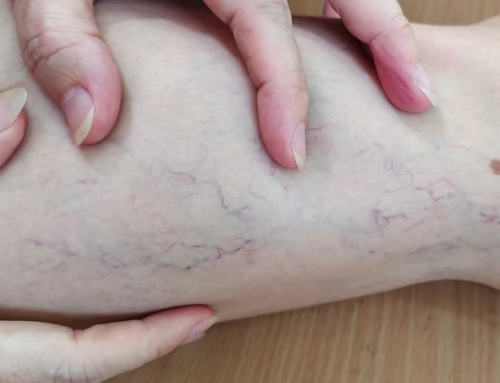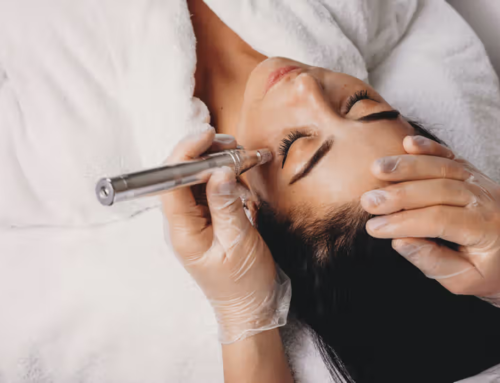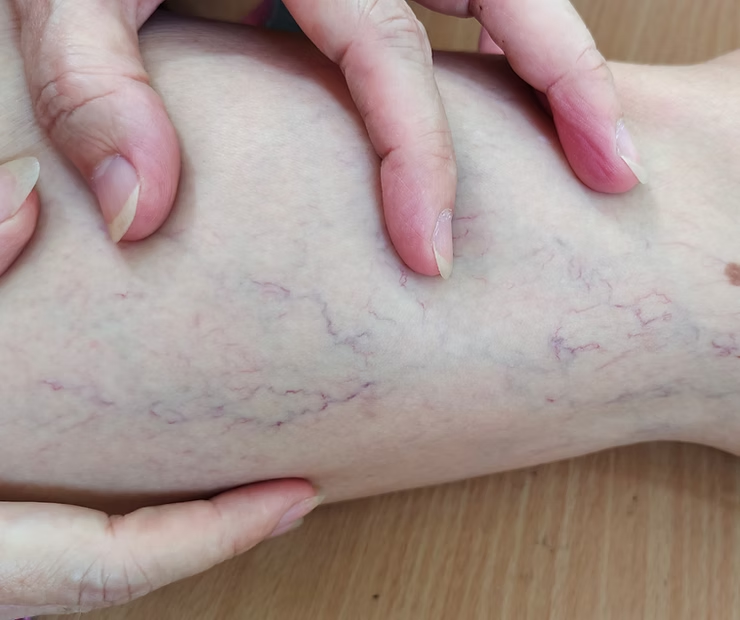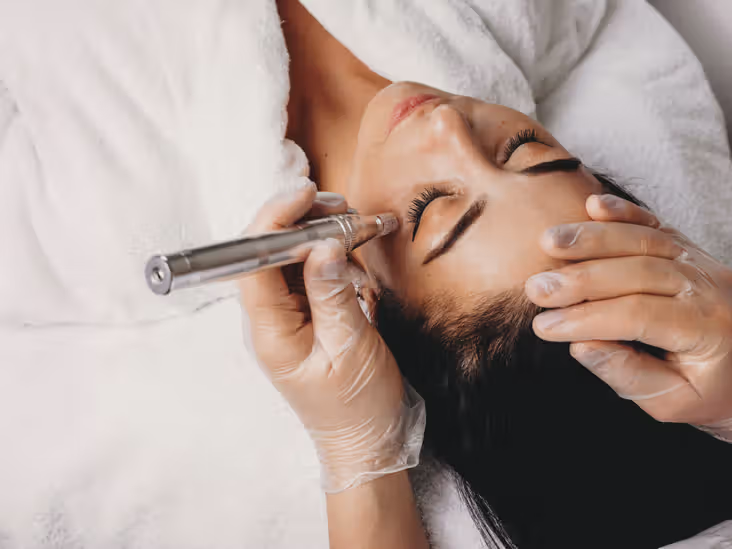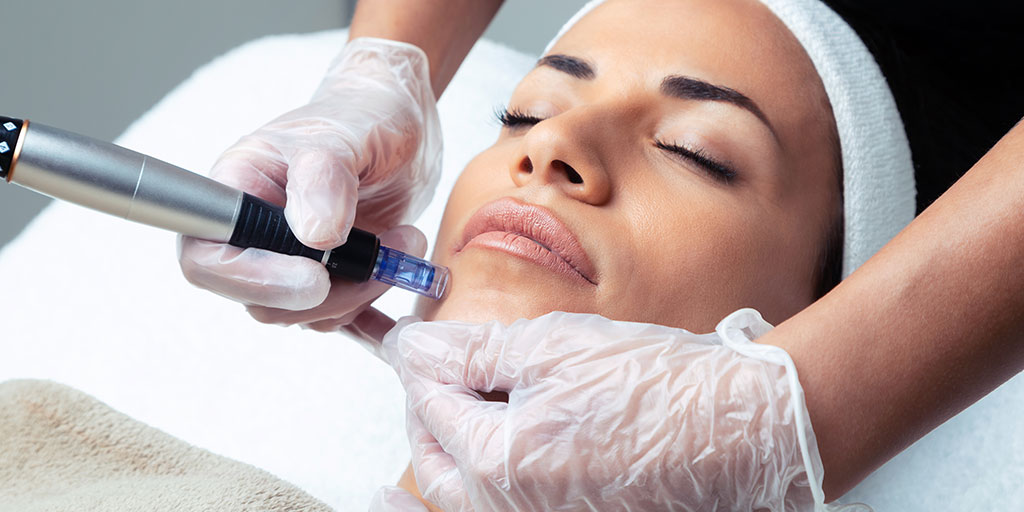
Dermatology is a branch of medical science that deals with the study, diagnosis, and treatment of conditions related to the skin, hair, and nails. The skin is the largest organ of the human body, and it plays an important role in protecting us from bacteria, viruses, heat, and sunlight. Because it is exposed to the outside world every day, it is also very sensitive and can develop many problems. Dermatology focuses on keeping this protective barrier healthy and treating any issues that affect it.
Skin treatment, on the other hand, refers to the medical or cosmetic procedures used to improve skin health, appearance, and function. It includes treatments for acne, scars, pigmentation, infections, allergies, dryness, aging signs, and more. Dermatologists are the doctors who specialize in this field, and they use both medical knowledge and advanced technology to care for the skin.
Understanding the Importance of Dermatology
The skin is not just a covering for the body. It has several important functions:
- It protects internal organs from damage
- It helps regulate body temperature
- It prevents dehydration by controlling water loss
- It acts as a barrier against harmful microorganisms
- It allows the sense of touch
Because the skin performs so many functions, even small problems can affect overall health and confidence. For example, severe acne can cause pain and emotional stress, while skin infections can spread if not treated properly. This is why dermatology is so important in modern healthcare.
Dermatologists also help in early detection of serious diseases such as skin cancer. When skin problems are identified early, treatment becomes easier and more effective.
Common Skin Problems Treated in Dermatology
Dermatology covers a wide range of conditions. Some of the most common include:
1. Acne
Acne is one of the most common skin problems, especially among teenagers and young adults. It occurs when pores become blocked with oil, dirt, or dead skin cells. It can appear as pimples, blackheads, or cysts.
2. Eczema
Eczema causes red, itchy, and inflamed skin. It often appears in people with sensitive skin or allergies.
3. Psoriasis
This is a long-term condition where skin cells grow too quickly, leading to thick, scaly patches.
4. Fungal Infections
These infections affect skin, nails, or scalp and are caused by fungi. They often cause itching and irritation.
5. Pigmentation Issues
Uneven skin tone, dark spots, or melasma can occur due to sun exposure, hormonal changes, or aging.
6. Hair and Scalp Problems
Dermatologists also treat hair loss, dandruff, and scalp infections.
7. Skin Cancer
This is a serious condition caused by abnormal growth of skin cells, often due to excessive sun exposure.
What is Skin Treatment?
Skin treatment includes all methods used to improve skin health and appearance. These treatments can be medical, cosmetic, or preventive.
Medical Skin Treatments
These are used to treat skin diseases such as acne, infections, or eczema. They may include:
- Prescription creams or ointments
- Oral medications
- Antibiotics or antifungal drugs
- Steroid treatments for inflammation
Cosmetic Skin Treatments
These are used to improve appearance and reduce signs of aging. Examples include:
- Chemical peels
- Laser therapy
- Microdermabrasion
- Botox injections
- Dermal fillers
Natural and Preventive Skin Care
This includes daily habits that help maintain healthy skin:
- Washing face regularly
- Using sunscreen
- Drinking enough water
- Eating a balanced diet
- Avoiding harsh chemicals
How Dermatologists Diagnose Skin Conditions
Dermatologists use several methods to understand skin problems:
- Physical examination – The doctor looks closely at the skin condition
- Medical history – Understanding symptoms and lifestyle
- Skin biopsy – A small sample of skin is tested in a lab
- Allergy tests – To identify allergic reactions
- Blood tests – To check underlying health conditions
After diagnosis, the dermatologist creates a treatment plan based on the patient’s condition and skin type.
Modern Advances in Dermatology
Dermatology has improved greatly in recent years due to technology. Some modern advancements include:
- Laser treatments for scars, hair removal, and pigmentation
- Advanced acne therapies using combination medicines
- Non-surgical cosmetic procedures for anti-aging
- Digital skin analysis tools
- Improved treatments for skin cancer detection
These innovations make skin treatments safer, faster, and more effective than ever before.
Why Skin Care Matters in Daily Life
Healthy skin is not just about beauty. It also reflects overall health. Poor skin condition can sometimes indicate internal problems such as hormonal imbalance, stress, or poor nutrition.
Good skin care helps:
- Boost self-confidence
- Prevent infections
- Slow down aging signs
- Maintain overall hygiene
- Improve quality of life
Even simple routines like cleansing, moisturizing, and sun protection can make a big difference over time.
When Should You Visit a Dermatologist?
You should consider visiting a dermatologist if you notice:
- Persistent acne that does not improve
- Sudden hair loss or bald patches
- Skin rashes that spread or worsen
- Unusual moles or dark spots
- Severe itching or irritation
- Long-term skin dryness or sensitivity
Early treatment helps prevent complications and ensures better results.
Future of Dermatology
The future of dermatology is very promising. Researchers are working on better treatments for chronic skin diseases and faster ways to heal damaged skin. Artificial intelligence is also being used to analyze skin conditions through images, helping doctors diagnose problems more accurately.
Personalized skin treatments based on genetics are also becoming more common. This means treatments can be tailored specifically for each person’s skin type and needs.
Conclusion
Dermatology is a vital medical field that focuses on the health and care of the skin, hair, and nails. Skin treatment includes a wide range of medical and cosmetic procedures that help maintain healthy, glowing, and problem-free skin. Since the skin is the body’s first line of defense, taking care of it is essential for overall health.
From treating common issues like acne to managing serious conditions like skin cancer, dermatologists play an important role in healthcare. With modern technology and improved treatments, achieving healthy skin is now more accessible than ever. Regular care, early diagnosis, and proper treatment can ensure that your skin stays strong and healthy throughout life.
FAQs about Dermatology and Skin Treatment
1. What does a dermatologist do?
A dermatologist is a medical doctor who specializes in treating skin, hair, and nail conditions. They diagnose skin diseases and provide medical or cosmetic treatments.
2. Is dermatology only for skin problems?
No. Dermatology also covers hair and nail issues, as well as cosmetic treatments to improve appearance and skin health.
3. Can acne be permanently cured?
Acne can be controlled and significantly reduced with proper treatment, but in some cases it may return due to hormones or lifestyle factors.
4. Are skin treatments safe?
Yes, most skin treatments are safe when performed by qualified dermatologists. However, results and side effects may vary depending on the treatment type.
5. How can I keep my skin healthy daily?
You can maintain healthy skin by washing it regularly, using sunscreen, drinking water, eating healthy food, and avoiding harsh chemicals.