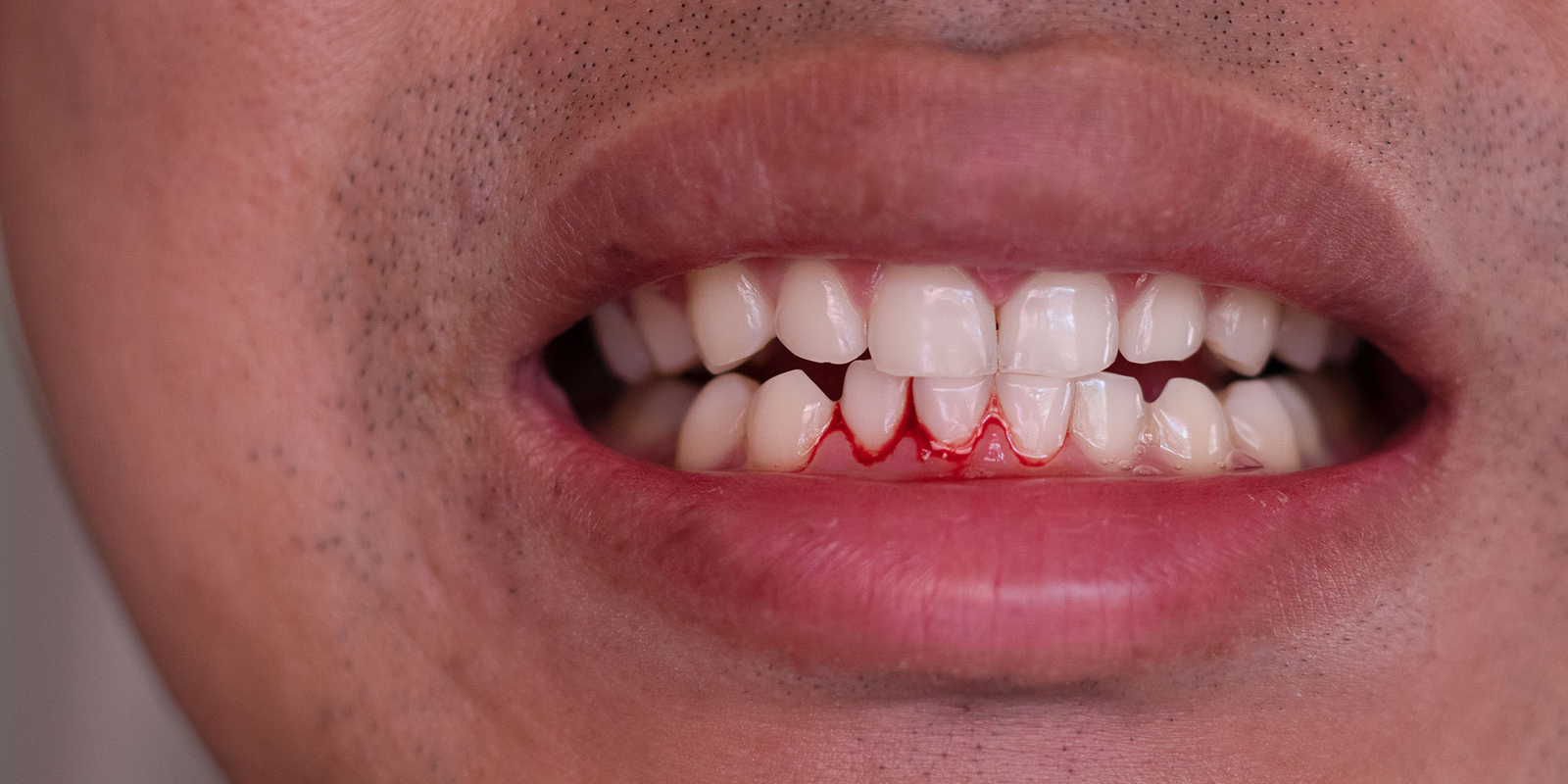
If you’ve ever brushed your teeth and noticed a bit of blood in the sink, it can feel worrying. Many people experience bleeding gums at some point in their lives, and it often raises the same question: why do my gums bleed when brushing?
The good news is that in most cases, bleeding gums are a warning sign—not a serious disease on their own—and they can often be improved with better care. In this article, we’ll explain the main causes of bleeding gums in a simple way, what it means for your oral health, and how you can stop it from happening.
Understanding Your Gums
Your gums are the soft pink tissues that hold your teeth in place. They act like a protective seal around your teeth and help keep bacteria out of the deeper parts of your mouth.
Healthy gums:
- Are light pink in color
- Feel firm, not soft or swollen
- Do not bleed during brushing or flossing
When gums become irritated or unhealthy, they can become red, swollen, and sensitive—and that’s when bleeding usually starts.
Main Reasons Why Gums Bleed When Brushing
There are several possible reasons behind bleeding gums. Let’s go through the most common ones in a simple way.
1. Plaque Build-Up (Most Common Cause)
The number one reason for bleeding gums is plaque.
Plaque is a sticky layer of bacteria that forms on your teeth every day. If it is not cleaned properly, it starts irritating the gums.
When plaque builds up along the gumline:
- Gums become inflamed
- They turn red and swollen
- They may bleed when brushing or flossing
This early stage of gum disease is called gingivitis. It is reversible if treated early with good oral hygiene.
2. Improper Brushing Technique
Sometimes the problem is not how often you brush, but how you brush.
Brushing too hard or using a hard-bristled toothbrush can damage your gums. Many people think brushing harder cleans better, but in reality, it can:
- Scratch and irritate gum tissue
- Cause bleeding
- Wear down enamel over time
A gentle circular motion with a soft toothbrush is usually best.
3. Not Flossing Regularly
If you don’t floss, food and plaque stay stuck between your teeth. These areas are hard to reach with a toothbrush, so bacteria build up easily.
When you start flossing after a long gap, your gums might bleed at first. This does not mean flossing is harmful—it usually means your gums are inflamed and need time to heal.
With regular flossing, bleeding should reduce within a week or two.
4. Gum Disease (Periodontitis)
If gingivitis is not treated, it can develop into a more serious condition called periodontitis.
This happens when infection spreads deeper into the gum and bone that support your teeth.
Symptoms may include:
- Frequent gum bleeding
- Bad breath
- Receding gums
- Loose teeth
Unlike early gum disease, periodontitis needs professional dental treatment.
5. Vitamin Deficiencies
Your body needs certain vitamins to keep gums healthy. Lack of vitamin C, for example, can lead to weak gum tissue and bleeding.
Vitamin C helps:
- Heal tissues
- Fight infection
- Strengthen blood vessels in the gums
A poor diet lacking fruits and vegetables may contribute to gum problems over time.
6. Hormonal Changes
Hormonal changes in the body can make gums more sensitive. This is common during:
- Pregnancy
- Puberty
- Menstrual cycles
During these times, gums may react more strongly to plaque, leading to swelling and bleeding even with normal brushing.
7. Smoking or Tobacco Use
Smoking weakens your immune system and reduces blood flow to the gums. This makes it harder for gums to heal and fight infection.
Smokers often experience:
- Gum inflammation
- Hidden gum disease (less visible bleeding but more damage)
- Slower healing
8. Certain Medical Conditions or Medicines
Some health conditions, like diabetes or blood disorders, can affect gum health. Also, medications that thin the blood may increase bleeding.
If you notice sudden or severe gum bleeding, it is important to consider overall health, not just oral care.
How to Stop Gums from Bleeding
The positive part is that bleeding gums are usually reversible if you take care of them early. Here are simple ways to improve gum health.
Brush Properly Twice a Day
- Use a soft-bristled toothbrush
- Brush gently in circular motions
- Do not rush—spend at least 2 minutes
Floss Daily
Flossing removes hidden plaque between teeth. Be gentle at first; bleeding should reduce as gums heal.
Use Mouthwash (Optional)
An antibacterial mouthwash can help reduce bacteria and freshen breath.
Eat a Balanced Diet
Include foods rich in vitamins, especially:
- Fruits like oranges and strawberries
- Leafy greens
- Dairy products
- Nuts and seeds
Avoid Smoking
Quitting smoking greatly improves gum health and reduces bleeding over time.
Visit a Dentist Regularly
Professional cleaning helps remove hardened plaque (tartar) that brushing cannot remove.
When Should You Be Concerned?
Occasional mild bleeding is common, especially if you have not been flossing regularly. However, you should see a dentist if:
- Bleeding happens every day
- Gums are swollen or painful
- Teeth feel loose
- You have bad breath that doesn’t go away
- Bleeding continues even after improving oral care
Early treatment prevents bigger problems later.
Final Thoughts
So, why do my gums bleed when brushing? In most cases, it is your body’s way of saying your gums are irritated or inflamed due to plaque buildup or improper oral care. It is usually an early warning sign, not something to ignore.
The encouraging part is that with simple habits—gentle brushing, daily flossing, healthy eating, and regular dental checkups—you can often reverse the problem and bring your gums back to health.
Your gums are an important part of your smile and overall health. Taking small steps today can prevent bigger dental problems in the future.
FAQs
1. Is it normal for gums to bleed when brushing?
It is common, but not normal for healthy gums. It usually means there is inflammation caused by plaque or improper brushing.
2. How long does it take for bleeding gums to heal?
With proper brushing and flossing, mild bleeding can improve within 1–2 weeks.
3. Should I stop brushing if my gums bleed?
No. You should continue brushing gently. Stopping will make the problem worse because plaque will build up more.
4. Can stress cause bleeding gums?
Yes, stress can weaken your immune system, making it harder for your body to fight gum infections.
5. When should I see a dentist for bleeding gums?
If bleeding continues for more than two weeks, or if you notice pain, swelling, or loose teeth, you should visit a dentist.