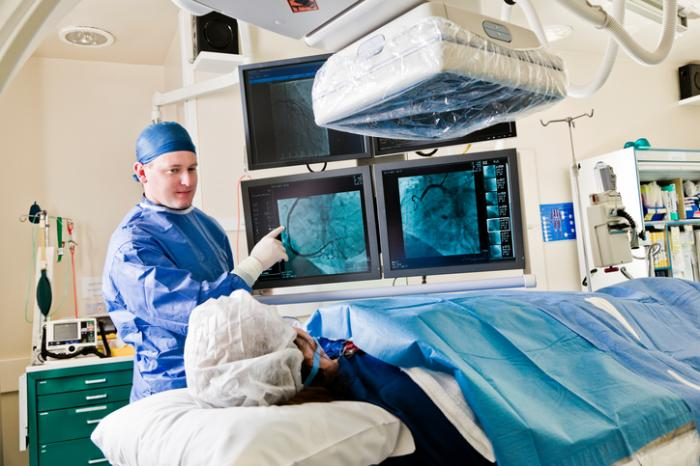
The human heart is one of the most important organs in the body. It works like a powerful pump that keeps blood moving, delivering oxygen and nutrients to every part of the body. When something goes wrong with the heart or blood vessels, it can affect the entire body. This is where cardiology comes in. Cardiology is a branch of medicine that focuses on the heart and the circulatory system, and a cardiologist is the doctor who specializes in this field.
In this article, we will explore what cardiology means, what cardiologists do, what conditions they treat, and why their role is so important for human health.
What Is Cardiology?
Cardiology is the study and treatment of heart-related diseases and disorders. The word “cardiology” comes from two Greek words: “kardia” meaning heart and “logy” meaning study. So, cardiology literally means “the study of the heart.”
This medical field deals not only with the heart but also with blood vessels, including arteries and veins. Together, they form the cardiovascular system.
Cardiology focuses on:
- How the heart works
- How blood circulates in the body
- Diagnosing heart problems
- Treating heart diseases
- Preventing heart-related conditions
Since heart disease is one of the leading causes of death worldwide, cardiology is an extremely important branch of medicine.
Who Is a Cardiologist?
A cardiologist is a medical doctor who specializes in diagnosing, treating, and preventing diseases of the heart and blood vessels. They are experts in understanding how the heart functions and what happens when it does not work properly.
A cardiologist does not perform general surgery. Instead, they focus on medical treatments, lifestyle guidance, and sometimes small procedures to fix heart problems.
To become a cardiologist, a person must study medicine for many years. After becoming a general doctor, they continue training in heart-related diseases for several more years.
What Does a Cardiologist Do?
A cardiologist has many responsibilities. Their job is not just about treating sick patients but also helping people prevent heart disease before it happens.
1. Diagnosing Heart Problems
One of the main tasks of a cardiologist is to find out what is wrong with a patient’s heart. They listen to symptoms, check medical history, and perform tests.
Common symptoms they look for include:
- Chest pain
- Shortness of breath
- Dizziness
- Irregular heartbeat
- Fatigue
To confirm a diagnosis, they may use tests like:
- ECG (electrocardiogram)
- Echocardiogram (ultrasound of the heart)
- Stress tests
- Blood tests
- Angiography
2. Treating Heart Diseases
Once a problem is identified, cardiologists create a treatment plan. This may include:
- Medicines to control blood pressure or cholesterol
- Lifestyle changes like diet and exercise
- Medical procedures in some cases
They manage conditions such as:
- Heart attack
- Heart failure
- High blood pressure
- Irregular heartbeat (arrhythmia)
- Coronary artery disease
3. Preventing Heart Disease
Prevention is a big part of cardiology. Cardiologists help patients avoid future heart problems by guiding them on healthy habits.
They often advise:
- Eating a balanced diet
- Exercising regularly
- Avoiding smoking and alcohol
- Controlling weight
- Managing stress
Even people who are healthy may visit a cardiologist for a heart check-up, especially if they have a family history of heart disease.
4. Performing Special Procedures
Some cardiologists perform small medical procedures, such as:
- Inserting stents to open blocked arteries
- Checking heart arteries using catheters
- Implanting devices like pacemakers
These procedures help improve blood flow and support heart function without major surgery.
Common Heart Conditions Treated by Cardiologists
Cardiologists deal with many heart-related problems. Some of the most common include:
1. Coronary Artery Disease
This happens when arteries that supply blood to the heart become narrow or blocked.
2. Heart Attack
A heart attack occurs when blood flow to part of the heart is blocked, causing damage to heart muscle.
3. Heart Failure
This condition means the heart is not pumping blood as well as it should.
4. Arrhythmia
This is an irregular heartbeat—either too fast, too slow, or uneven.
5. High Blood Pressure
Also called hypertension, this condition puts extra strain on the heart and blood vessels.
When Should You See a Cardiologist?
Many people are unsure when they should visit a heart specialist. You should consider seeing a cardiologist if you experience:
- Chest pain or pressure
- Frequent shortness of breath
- Sudden dizziness or fainting
- Fast or irregular heartbeat
- High blood pressure that is hard to control
- Family history of heart disease
Even without symptoms, older adults or people with risk factors (like diabetes or obesity) may benefit from regular heart check-ups.
Why Cardiology Is Important
Cardiology plays a major role in saving lives. Heart disease often develops silently over many years before showing serious symptoms. A cardiologist helps detect these problems early, which can prevent life-threatening events like heart attacks or strokes.
They also help patients improve their quality of life. With proper treatment and guidance, many people with heart disease live long and healthy lives.
Training of a Cardiologist
Becoming a cardiologist takes many years of education and training:
- Medical school (basic doctor training)
- Internship in hospitals
- Specialization in internal medicine
- Further specialization in cardiology
This long journey ensures that cardiologists are highly skilled in understanding and treating heart diseases.
Simple Tips for a Healthy Heart
Even though cardiologists treat heart diseases, everyone can take steps to protect their heart:
- Eat more fruits and vegetables
- Reduce salt and sugar intake
- Exercise at least 30 minutes a day
- Avoid smoking
- Get enough sleep
- Drink plenty of water
- Go for regular health check-ups
Small lifestyle changes can make a big difference in heart health.
FAQs About Cardiology and Cardiologists
1. What is cardiology in simple words?
Cardiology is the study and treatment of the heart and blood vessels. It focuses on keeping the heart healthy and treating heart diseases.
2. What does a cardiologist treat?
A cardiologist treats heart-related conditions such as heart attacks, high blood pressure, irregular heartbeat, and blocked arteries.
3. Do I need a referral to see a cardiologist?
In many cases, yes. A general doctor may refer you to a cardiologist if they find heart-related symptoms or risks.
4. What tests does a cardiologist perform?
Common tests include ECG, echocardiogram, stress tests, blood tests, and angiography.
5. Can heart disease be prevented?
Yes, many heart diseases can be prevented with a healthy lifestyle, regular exercise, a balanced diet, and avoiding smoking.
Final Thoughts
Cardiology is a vital field of medicine that focuses on one of the most important organs in the human body—the heart. Cardiologists play a key role in diagnosing, treating, and preventing heart diseases. Their work helps millions of people live longer and healthier lives.
Taking care of your heart is not something to ignore. Regular check-ups, healthy habits, and early treatment can make all the difference. Your heart works for you every second of your life—so it deserves proper care and attention.