Living with diabetes can be challenging, especially when complications affect daily life. One of the most common and serious problems faced by people with diabetes is a diabetic foot ulcer. This condition may begin as a small cut, blister, or wound on the foot, but without proper care, it can become dangerous. Understanding diabetic foot ulcer treatment is very important because early care can prevent infection, reduce pain, and improve healing.
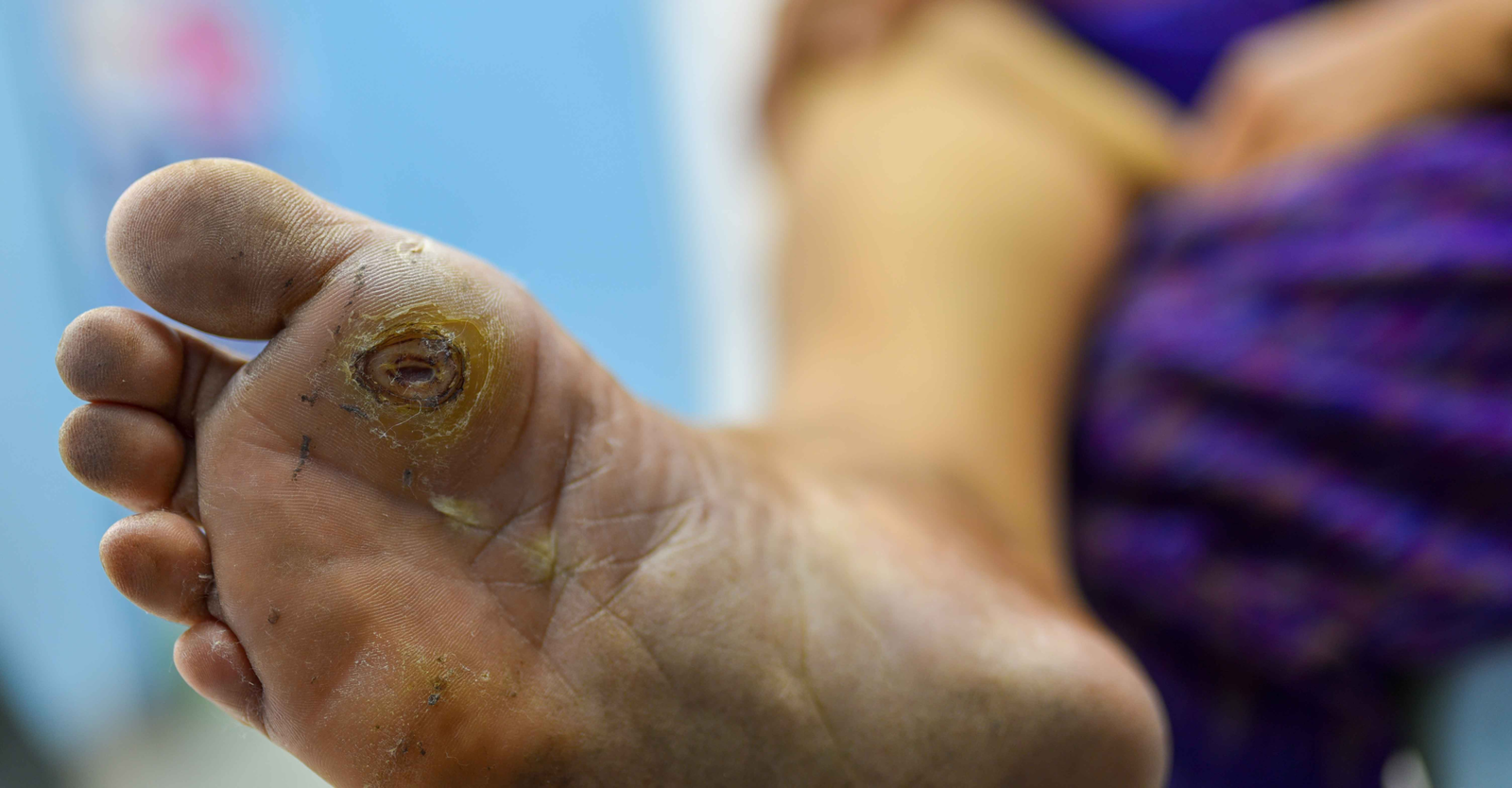
A diabetic foot ulcer is an open sore or wound that usually appears on the bottom of the foot. People with diabetes are more likely to develop these ulcers because high blood sugar can damage nerves and reduce blood flow. When nerves are damaged, a person may not feel pain from cuts or injuries. Poor blood circulation also slows healing, making even small wounds more serious.
Many people ignore early symptoms because they think the wound is minor. However, untreated ulcers can lead to severe infections and, in extreme cases, amputation. The good news is that proper diabetic foot ulcer treatment can help most wounds heal successfully.
What Causes Diabetic Foot Ulcers?
Several factors can lead to diabetic foot ulcers. The main cause is uncontrolled diabetes. High blood sugar levels damage the nerves in the feet, a condition called diabetic neuropathy. Because of this, patients may not notice cuts, burns, or pressure sores.
Poor blood circulation is another major reason. Blood carries oxygen and nutrients needed for healing. When blood flow is reduced, wounds heal slowly. Infections can also spread more easily.
Other causes include:
- Wearing tight or uncomfortable shoes
- Walking barefoot
- Dry or cracked skin
- Foot deformities
- Smoking
- Poor hygiene
Even a small blister from new shoes can turn into a serious ulcer if not treated early.
Common Symptoms of Diabetic Foot Ulcers
Recognizing symptoms early can prevent complications. Some common signs include:
- Open sores on the foot
- Redness or swelling
- Drainage from the wound
- Bad smell from the affected area
- Skin discoloration
- Pain or numbness
- Warm skin around the ulcer
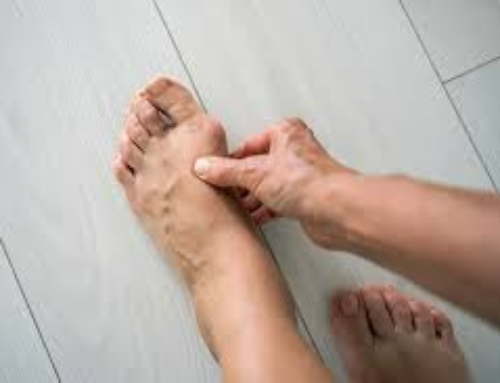
Some patients may not feel pain because of nerve damage. That is why regular foot checks are extremely important for people with diabetes.
Importance of Early Diabetic Foot Ulcer Treatment
Early treatment can save the foot and improve overall health. Delaying treatment increases the risk of infection. In severe cases, the infection can spread to the bones.
Doctors often recommend immediate medical attention if a wound does not heal within a few days. Fast treatment reduces the chances of surgery and long hospital stays.
People with diabetes should never attempt to treat serious foot ulcers at home without professional advice.
Best Diabetic Foot Ulcer Treatment Methods
There are several effective treatment options available today. Doctors choose the treatment depending on the size, depth, and severity of the ulcer.
1. Cleaning and Dressing the Wound
The first step in diabetic foot ulcer treatment is cleaning the wound properly. Doctors remove dead skin and infected tissue through a process called debridement. This helps healthy tissue grow.
After cleaning, special dressings are used to keep the wound moist and protected from bacteria. Dressings are changed regularly to prevent infection.
2. Controlling Blood Sugar Levels
Good blood sugar control is one of the most important parts of healing. High glucose levels slow the body’s ability to fight infection and repair damaged tissue.
Patients are advised to:
- Follow a healthy diet
- Take diabetes medication regularly
- Exercise safely
- Monitor blood sugar daily
Better diabetes control leads to faster wound healing.
3. Antibiotic Treatment
If the ulcer becomes infected, doctors may prescribe antibiotics. Mild infections may only need oral medicine, while severe infections may require hospital treatment and intravenous antibiotics.
Patients should always complete the full course of antibiotics to prevent the infection from returning.
4. Offloading Pressure from the Foot
Pressure on the ulcer slows healing. Doctors often recommend reducing weight on the affected foot. This is called offloading.
Special footwear, braces, or casts may be used to protect the wound. In some cases, patients may need crutches or wheelchairs temporarily.
Proper footwear is very important because regular shoes may rub against the ulcer and make it worse.
5. Advanced Wound Care Therapy
Modern medicine offers advanced treatments for difficult ulcers. Some options include:
- Skin grafts
- Growth factor therapy
- Vacuum-assisted wound closure
- Hyperbaric oxygen therapy
Hyperbaric oxygen therapy involves breathing pure oxygen in a special chamber. This increases oxygen supply to the wound and promotes healing.
These advanced methods are usually recommended for severe or slow-healing ulcers.
Home Care Tips for Faster Healing
Professional treatment is essential, but home care also plays a major role in recovery. Patients can support healing by following simple daily habits.
Keep Feet Clean
Wash feet daily with lukewarm water and mild soap. Dry carefully, especially between the toes.
Inspect Feet Every Day
Check for cuts, redness, swelling, or blisters. Use a mirror if necessary.
Moisturize Dry Skin
Apply lotion to prevent cracking, but avoid putting cream between the toes because moisture can increase infection risk.
Avoid Walking Barefoot
Always wear protective footwear, even inside the house.
Stop Smoking
Smoking reduces blood flow and slows healing significantly.
Preventing Diabetic Foot Ulcers
Prevention is always better than treatment. People with diabetes can lower their risk by taking proper care of their feet.
Important prevention tips include:
- Keep blood sugar under control
- Wear comfortable diabetic shoes
- Trim toenails carefully
- Visit a foot specialist regularly
- Stay physically active
- Maintain healthy body weight
Regular foot examinations help detect problems before they become serious.
Role of Nutrition in Healing
Healthy eating supports faster recovery. The body needs protein, vitamins, and minerals to repair tissue.
Foods that help wound healing include:
- Lean meat and fish
- Eggs
- Fruits and vegetables
- Nuts and seeds
- Whole grains
Drinking enough water is also important. Dehydration can slow the healing process.
Patients should avoid sugary foods and unhealthy snacks because they increase blood sugar levels.
Emotional Impact of Diabetic Foot Ulcers
Diabetic foot ulcers do not only affect physical health. They can also impact mental well-being. Some patients feel stress, fear, or frustration during long treatment periods.
Limited movement may affect work, family life, and social activities. Emotional support from family members and healthcare providers can make recovery easier.
Joining diabetes support groups may also help patients stay positive and motivated.
When to See a Doctor Immediately
Some warning signs require urgent medical attention. Patients should contact a doctor if they notice:
- Fever
- Increasing redness or swelling
- Pus or bad odor
- Black skin around the ulcer
- Severe pain
- Sudden numbness
Quick action can prevent serious complications.
Conclusion
Diabetic foot ulcers are a serious complication of diabetes, but proper treatment can greatly improve healing and prevent dangerous infections. Early detection, good blood sugar control, wound care, and healthy lifestyle habits are the keys to recovery.
People with diabetes should pay close attention to their feet every day. A small wound may seem harmless at first, but without care, it can become a major health problem. Fortunately, modern diabetic foot ulcer treatment methods offer effective solutions for healing and protection.
By following medical advice, maintaining healthy habits, and seeking treatment early, patients can protect their feet and enjoy a healthier life.
Frequently Asked Questions (FAQs)
1. What is the fastest way to heal a diabetic foot ulcer?
The fastest way is to clean the wound properly, control blood sugar levels, avoid pressure on the foot, and follow a doctor’s treatment plan carefully.
2. Can diabetic foot ulcers heal completely?
Yes, many diabetic foot ulcers can heal completely with early treatment and proper care.
3. Are diabetic foot ulcers painful?
Some ulcers are painful, but many patients feel little or no pain because diabetes can damage foot nerves.
4. How long does diabetic foot ulcer treatment take?
Healing time depends on the size and severity of the ulcer. Some wounds heal in weeks, while severe ulcers may take several months.
5. How can I prevent diabetic foot ulcers?
You can prevent ulcers by controlling diabetes, checking your feet daily, wearing proper shoes, and keeping your feet clean and protected.