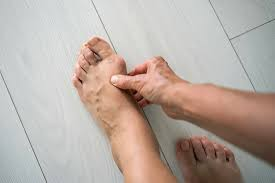
A bunion is a common foot problem that affects millions of people around the world. It develops when the joint at the base of the big toe becomes swollen and moves out of place. Over time, the big toe starts leaning toward the other toes, creating a hard bump on the side of the foot. Bunions can make walking painful, wearing shoes uncomfortable, and daily activities difficult.
Many people think surgery is the only solution for bunions, but that is not always true. In many cases, people can manage bunion pain and slow down the condition without surgery. Non-surgical treatments can help reduce discomfort, improve movement, and make everyday life easier.
In this article, you will learn simple and effective ways to treat bunions naturally and without surgery.
What Causes Bunions?
Bunions usually develop slowly over time. Several factors can increase the risk of getting them, including:
- Wearing tight or narrow shoes
- High heels that push the toes forward
- Family history and genetics
- Arthritis or joint problems
- Standing for long hours
- Foot injuries or pressure on the toes
Women are more likely to develop bunions because fashion shoes often squeeze the feet. However, men and even teenagers can also suffer from this condition.
Common Symptoms of Bunions
Bunions can cause different symptoms depending on how severe they are. Common signs include:
- A bump on the side of the big toe
- Swelling and redness around the joint
- Pain while walking
- Difficulty wearing shoes
- Stiffness in the big toe
- Corns or calluses between the toes
Some people only feel mild discomfort, while others experience constant pain.
Can Bunions Be Treated Without Surgery?
Yes, many bunions can be managed without surgery, especially in the early or moderate stages. Non-surgical treatment focuses on reducing pain, improving comfort, and preventing the bunion from getting worse.
Although these treatments may not completely remove the bunion, they can help people live comfortably without an operation.
Below are some of the best non-surgical treatments for bunions.
Wear Comfortable Shoes
One of the easiest and most important steps is changing your footwear. Tight shoes make bunions worse because they squeeze the toes together.
Choose shoes that:
- Have a wide toe box
- Provide soft cushioning
- Offer good arch support
- Allow your toes to move freely
Avoid high heels and pointed shoes because they place extra pressure on the front of the foot.
Comfortable shoes can greatly reduce bunion pain and improve walking.
Use Bunion Pads or Cushions
Bunion pads are soft cushions placed over the bunion to protect it from friction. These pads reduce pressure from shoes and help prevent irritation.
Gel pads and silicone cushions are popular choices because they are soft and reusable. Many people feel immediate relief after using them.
However, bunion pads do not fix the bunion itself. They mainly help reduce discomfort during daily activities.
Try Toe Spacers
Toe spacers are small devices placed between the toes to improve alignment. They gently separate the big toe from the second toe.
Some people use toe spacers while sleeping, while others wear them inside roomy shoes during the day.
Toe spacers may help:
- Reduce pressure
- Improve toe position
- Ease pain
- Increase comfort while walking
Results vary from person to person, but many users find them helpful.
Apply Ice for Swelling
If your bunion becomes swollen or painful after standing or walking, applying ice can help.
Wrap an ice pack in a towel and place it on the bunion for about 15 to 20 minutes. This helps reduce inflammation and numb the pain.
Do not place ice directly on the skin because it can damage the tissue.
Maintain a Healthy Weight
Extra body weight increases pressure on the feet and joints. This can make bunion pain worse.
Maintaining a healthy weight reduces stress on the feet and may help improve mobility. Simple activities like walking, swimming, or cycling can support weight management without putting too much strain on the feet.
A balanced diet also supports joint health and reduces inflammation.
Foot Exercises for Bunions
Gentle foot exercises can strengthen the muscles around the toes and improve flexibility. Regular stretching may help reduce stiffness and discomfort.
Here are a few simple exercises:
Toe Stretch
Use your fingers to gently pull the big toe into proper alignment. Hold for 10 seconds and repeat several times.
Towel Curl
Place a towel on the floor and use your toes to pull it toward you. This exercise strengthens foot muscles.
Toe Circles
Move your big toe in circular motions to improve joint mobility.
Ball Roll
Roll a tennis ball or massage ball under your foot for a few minutes to relax the muscles.
Doing these exercises daily may improve comfort over time.
Orthotic Inserts Can Help
Orthotic inserts are special shoe supports designed to improve foot alignment and reduce pressure on the bunion joint.
Some inserts are available in stores, while others are custom-made by a foot specialist.
Orthotics may help:
- Improve balance
- Reduce foot strain
- Support the arch
- Make walking more comfortable
People with flat feet or abnormal walking patterns often benefit from orthotics.
Pain Relief Medications
Over-the-counter medications can help control bunion pain and swelling.
Common options include:
- Ibuprofen
- Naproxen
- Acetaminophen
These medicines should only be used as directed. People with certain medical conditions should speak with a doctor before taking pain relievers regularly.
Massage Therapy
Gentle foot massage may improve blood circulation and reduce muscle tension around the bunion area.
Using warm oils or foot creams during massage can increase relaxation and comfort.
Although massage does not correct the bunion, it can temporarily reduce soreness and stress in the feet.
Physical Therapy for Bunions
Physical therapists can teach exercises and techniques that improve foot movement and reduce pressure on the joints.
Therapy may include:
- Stretching exercises
- Balance training
- Strengthening routines
- Walking adjustments
Physical therapy is especially helpful for people who experience frequent pain or stiffness.
Avoid Standing Too Long
Standing for long periods places extra stress on the feet and bunion joint. If your job requires standing, try to take short sitting breaks whenever possible.
You can also use cushioned floor mats or supportive shoes to reduce pressure during work hours.
Small lifestyle changes often make a big difference in managing bunion pain.
Natural Remedies for Bunions
Some people also try natural home remedies for relief. While these treatments may not cure bunions, they can help reduce discomfort.
Popular natural remedies include:
- Epsom salt foot soaks
- Warm water foot baths
- Essential oil massage
- Turmeric for inflammation
- Gentle stretching
These methods may help relax the feet and improve comfort naturally.
When Should You See a Doctor?
Even though many bunions can be treated without surgery, some cases require medical attention.
You should see a doctor if:
- Pain becomes severe
- Walking is very difficult
- The bunion grows quickly
- Swelling does not improve
- Shoes no longer fit comfortably
A podiatrist or foot specialist can recommend the best treatment plan for your condition.
Can Bunions Be Prevented?
While not all bunions can be prevented, healthy foot habits can lower the risk.
Helpful prevention tips include:
- Wearing supportive shoes
- Avoiding high heels for long periods
- Stretching your feet regularly
- Maintaining a healthy weight
- Avoiding tight footwear
Taking care of your feet early can help prevent future problems.
Final Thoughts
Bunions can be painful and frustrating, but surgery is not always necessary. Many people successfully manage bunion symptoms through simple lifestyle changes, supportive footwear, exercises, and home treatments.
The key is to take action early before the condition becomes severe. Wearing comfortable shoes, using orthotics, practicing foot exercises, and reducing pressure on the feet can make a huge difference.
If bunion pain continues or becomes worse, speaking with a medical professional is the best next step. With proper care and attention, many people can stay active and comfortable without surgery.
Frequently Asked Questions (FAQs)
1. Can a bunion go away without surgery?
No, a bunion usually does not disappear completely without surgery. However, non-surgical treatments can reduce pain, improve comfort, and slow the condition from getting worse.
2. What shoes are best for bunions?
Wide shoes with soft cushioning and good arch support are best. Avoid narrow shoes and high heels because they increase pressure on the toes.
3. Do toe spacers really help bunions?
Toe spacers may help improve toe alignment and reduce discomfort. They are especially useful when combined with proper footwear and exercises.
4. Is walking bad for bunions?
Walking is generally safe if you wear supportive shoes. However, long walks in tight or uncomfortable shoes may increase pain and swelling.
5. When is bunion surgery necessary?
Surgery may be needed if the pain becomes severe, walking is difficult, or non-surgical treatments no longer provide relief.

You’re out of messages with the most advanced Free model.Responses may be less detailed until 5:58 AM. Start a free Plus trial for better answers now.
Claim free offer